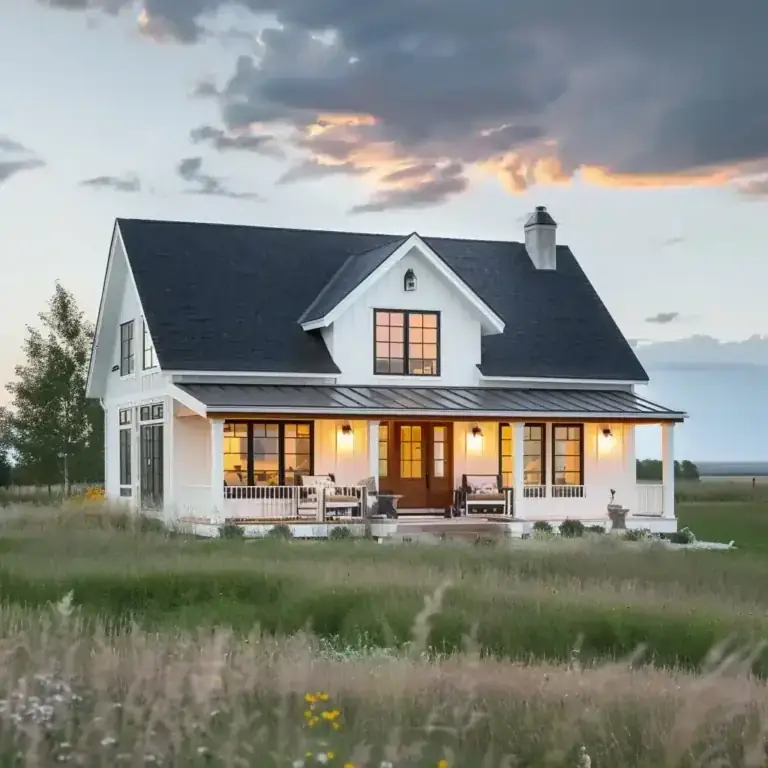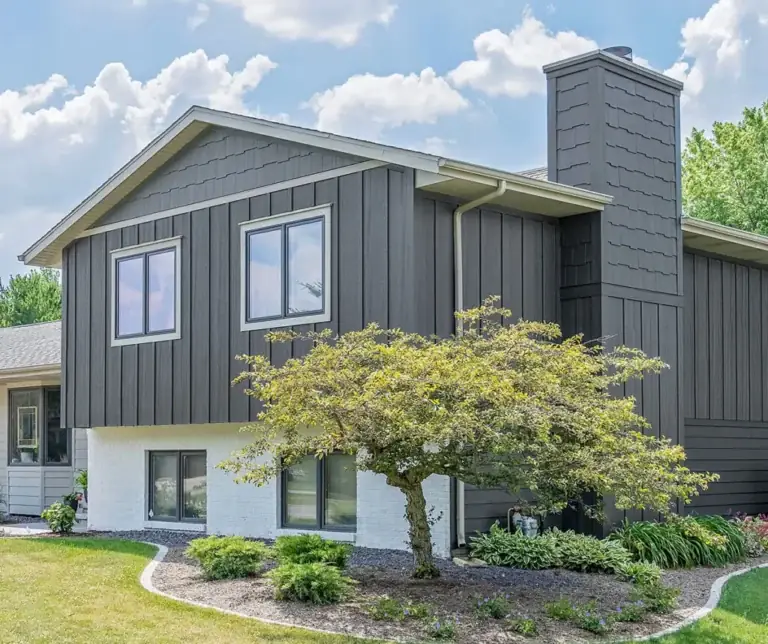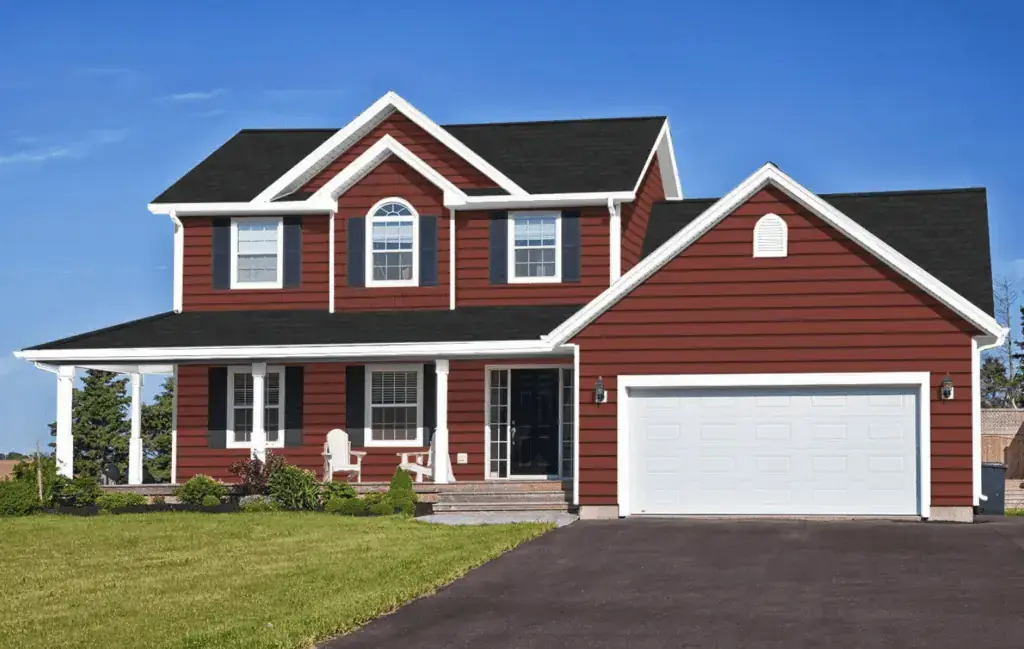
Top vinyl siding finishes united states analyzing texture technology and surface performance
Architectural building facades across North America rely heavily on engineered polymer chemistry to achieve durable exterior weather protection. Surface finishes dictate how natural daylight reflects across building elevations while shielding structural framing from solar UV rays. Top vinyl siding finishes united states . As residential developments expand across diverse microclimates, specifying appropriate exterior textures requires evaluating aesthetic appeal alongside material physics.
Polyvinyl chloride cladding has evolved from basic shiny panels into sophisticated architectural surfaces. Chemical innovations in Acrylonitrile-Styrene-Acrylate (ASAASA) capstocks, deep timber embossing, and multi-tone color layering allow synthetic panels to replicate natural cedar, hand-split shakes, and brushed smooth boards accurately. These engineering breakthroughs enable custom homes to maintain strong curb appeal while eliminating constant repainting and moisture decay.
Evaluating exterior surface textures requires analyzing regional building traditions, solar reflectance indices, capital allocation models, and long-term asset governance. Specification experts assess synthetic cladding finishes through comprehensive structural and optical criteria rather than temporary interior design trends. This reference manual provides an analytical study of polymer surface textures, material categories, real-world execution scenarios, and long-term asset management protocols across American residential architecture.
Top vinyl siding finishes united states
Evaluating top vinyl siding finishes united states requires analyzing how resin capstocks, surface embossing depths, multi-tone color matrices, and sheen levels interact across regional environments. Building science specialists assess exterior polymer surfaces as integrated optical, chemical, and thermal systems. A superficial selection process focusing only on basic color swatches overlooks critical interactions between solar ultraviolet absorption, dirt accumulation, and chemical chalking.
Optical Texture and Surface Science
Selecting appropriate surface textures requires matching panel sheen levels with building exposure and local solar angles. High-gloss finishes reflect intense sunlight unevenly, highlighting minor substrate imperfections and creating artificial glare across expansive wall elevations. Modern architectural specifications prioritize low-gloss matte finishes and subtle wood-grain embossing that diffuse daylight naturally, mimicking the optical properties of painted natural timber.
Capstock Layering and UV Protection
Co-extruded acrylic and ASAASA capstocks shield underlying vinyl resins from chemical breakdown under intense solar radiation. These protective outer layers incorporate specialized infrared-reflective pigments, reducing surface temperature buildup on dark-colored elevations. Preserving capstock integrity prevents premature color fading, surface chalking, and micro-abrasion wear over multi-decade service lifecycles.
Deep Contextual Background
Exterior polymer surfaces evolved through distinct manufacturing eras as North American residential construction adopted engineered synthetic building materials. Early synthetic panels produced in the mid-twentieth century featured smooth, highly reflective surfaces with shallow, uniform embossing patterns. High surface gloss and basic color dyes caused early installations to look distinctly artificial under direct sunlight.
Historical Evolution of Polymer Textures
Manufacturing breakthroughs in the late twentieth century introduced multi-station embossing rollers and multi-tone color extrusion technologies. Engineers molded master embossing dies directly from hand-selected, old-growth cedar and pine boards, transferring authentic wood grain patterns onto polymer shells. Simultaneously, low-gloss acrylic resin formulations were developed to eliminate artificial plastic sheen.
Contemporary Architectural Requirements
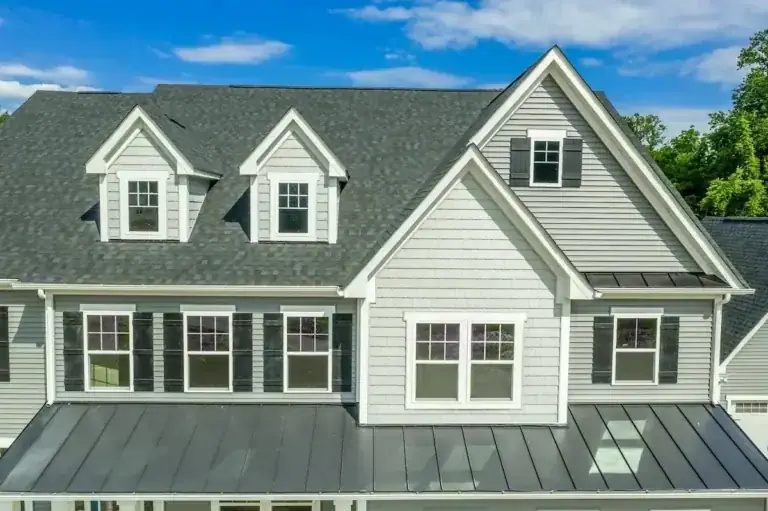
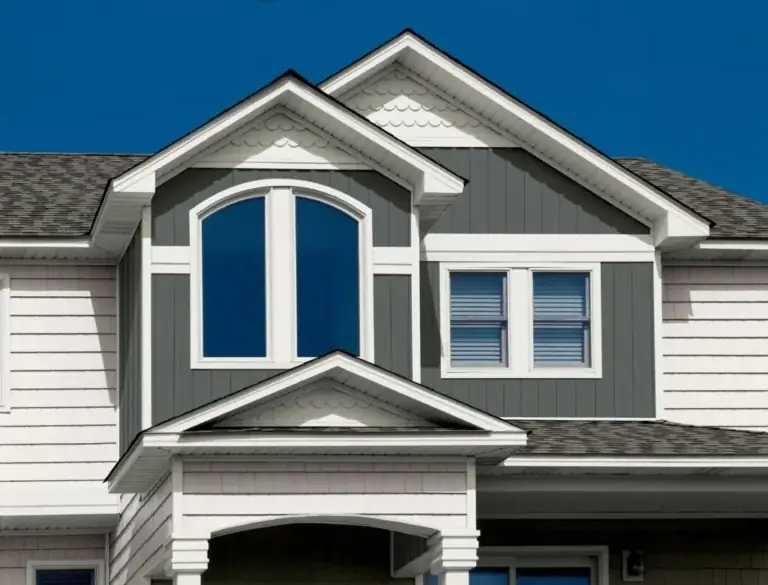
Modern high-density polymer finishes replicate natural timber, hand-hewn shakes, and smooth painted boards while offering superior weather resistance. Municipal historic preservation commissions routinely approve low-gloss, matte-finish synthetic profiles for historic district restorations. Modern custom home designs frequently mix surface textures, pairing subtle wood-grain horizontal lap panels with rough-hewn shake accents inside upper gables.
Conceptual Frameworks and Mental Models
Evaluating exterior building surfaces requires structured analytical models that synthesize optical physics, chemical durability, and regional climate performance into clear specification rules.
The Gloss Reflectance and Optical Texture Model
This model evaluates surface finishes by measuring specular light reflectance across varying solar angles. High specular gloss ratings amplify visual wall distortion, whereas low-gloss matte finishes scatter light evenly. Specifying low-gloss matte textures ensures wall elevations maintain a flat, natural timber appearance under harsh mid-day sunlight.
The Embossing Depth and Soil Retention Model
Surface texture depth dictates how environmental soot, pollen, and airborne dust settle across exterior wall faces. Deep, rough-hewn embossing textures trap organic particles inside grain grooves, requiring regular low-pressure cleaning in humid regions. Smooth or light wood-grain textures shed windblown dust easily during rain events, lowering maintenance needs.
The Thermal Capstock Reflectance Framework
Evaluating surface finishes through this framework measures how specialized cool pigments reflect total solar energy across dark-colored panels. Cool-pigment capstocks reflect invisible solar heat while retaining deep visual color tones. Preventing excessive heat buildup protects underlying vinyl resins from thermal distortion and warping.
Key Categories or Variations
Categorizing synthetic cladding finishes enables architects to align surface specifications with specific regional building styles and environmental exposure conditions.
Low-Gloss Matte Cedar Grain
Low-gloss matte cedar grain features subtle wood-texture embossing molded from natural cedar boards. This versatile finish diffuses daylight effectively, making it ideal for Traditional Colonial, Craftsman, and Suburban residence elevations.
Rough-Hewn Hand-Split Texture
Rough-hewn hand-split finishes replicate deeply grooved, hand-cut timber shakes. Bold grain grooves and deep shadow lines add visual texture, making this finish popular for mountain lodges, rustic gables, and oceanfront homes.
Smooth Matte Architectural Finish
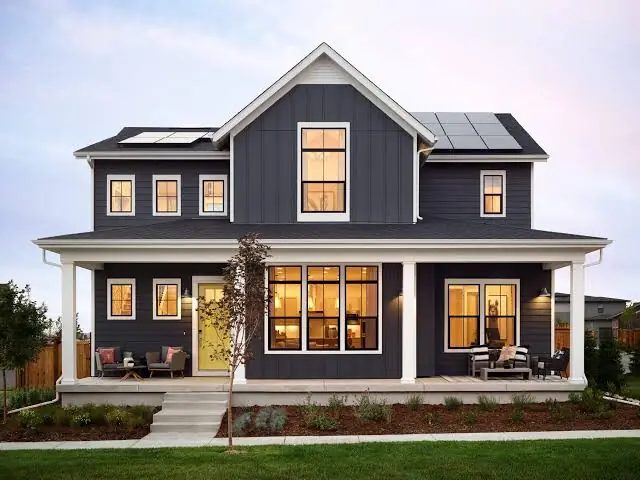
Smooth matte finishes eliminate wood grain embossing entirely, providing a crisp, painted-board appearance. This clean texture complements Modern Farmhouse, Contemporary, and historic Greek Revival structures requiring smooth trim details.
Multi-Tone Driftwood Grain
Multi-tone driftwood grain incorporates layered color pigments during extrusion, producing subtle shade variations across each panel face. This advanced finish replicates naturally weathered timber without requiring wood stain treatments.
Anti-Static Hydrophobic Finish
Anti-static hydrophobic finishes incorporate factory-applied fluoropolymer surface coatings that repel liquid water and atmospheric dust. Hydrophobic surfaces encourage rainwater to sheet off cleanly, taking surface dirt along and reducing mold growth.
Surface Texture Performance Taxonomy
Decision Logic for Finish Selection
Selecting an appropriate surface finish requires matching property location with maintenance capabilities. Homes located near dusty rural roads or high-pollen forest zones benefit from smooth matte or anti-static hydrophobic finishes that shed dirt easily. Custom mountain estates in high-sun regions require low-gloss rough-hewn shake finishes equipped with cool-pigment capstocks to resist UV fading.
Detailed Real-World Scenarios Top vinyl siding finishes united states
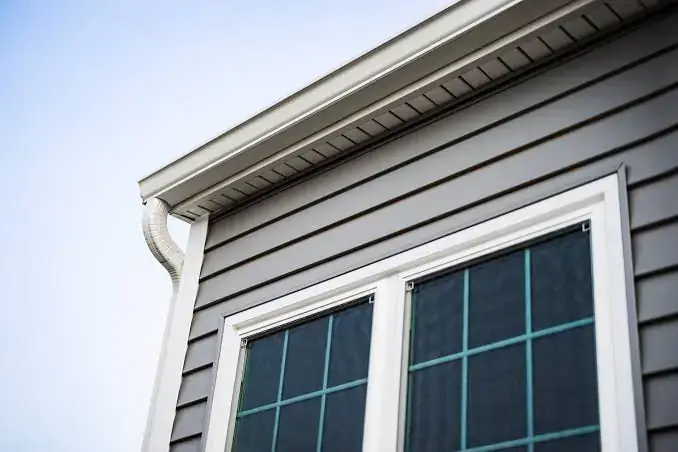
Analyzing practical architectural projects shows how surface texture choices adjust to physical site constraints, extreme solar radiation, and regional climate exposure.
High-Altitude Mountain Resort Retrofit
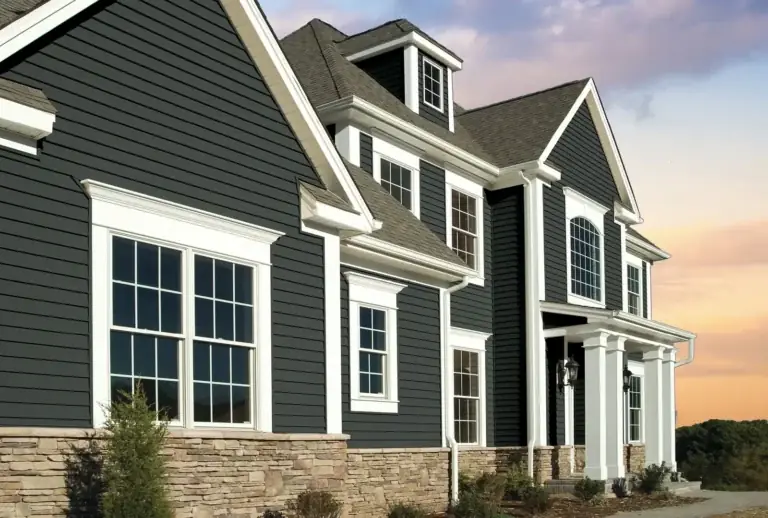
A mountain lodge in Vail, Colorado, experienced severe color bleaching and surface chalking on south elevations under high-altitude UV radiation. Contractors installed dark walnut-colored polymer shakes featuring low-gloss ASAASA cool-pigment capstocks. The low-gloss surface eliminated artificial glare, preserving a natural timber appearance across winter snowscapes.
Coastal Waterfront Estate Renovation
An oceanfront home in Maine required facade updates to withstand salt spray and windblown sand. Designers specified multi-tone driftwood grain lap panels paired with crisp smooth matte white corner trim. The multi-tone grain disguised minor salt residue between fresh-water washings, maintaining strong curb appeal.
Urban Modern Farmhouse Execution
A new residential project in Atlanta, Georgia, deployed smooth matte white vertical board-and-batten siding across expansive elevations. The smooth, non-embossed texture shed urban soot during summer rainstorms, preventing dark streak stains along window sills.
Humid Gulf Coast Mildew Remediation
A residential property in Houston, Texas, suffered from chronic green algae growth inside deep wood-grain panel grooves. Technicians replaced damaged cladding with anti-static hydrophobic lap panels featuring light matte cedar grain. The self-cleaning hydrophobic surface accelerated rainwater sheeting, eliminating algae attachment sites.
Planning, Cost, and Resource Dynamics
Financial management for exterior surface upgrades extends beyond basic material purchasing. Comprehensive budgeting requires evaluating capstock chemical formulations, specialized trim accessories, site labor, and long-term cleaning cycles.
Facade Finish Capital Allocation
Direct expenses include primary textured panels, matching smooth trim lineals, corner posts, soffit panels, cool-pigment capstock upgrades, and specialized fasteners. Indirect costs cover municipal permits, architectural plan reviews, waste disposal, and scaffolding staging.
Long-Term Value and Financial Payback
Selecting basic high-gloss panels saves upfront capital, but results in noticeable solar glare and higher chalking risks over time. Investing in premium low-gloss matte finishes with cool-pigment capstocks requires higher initial outlays, yet extends visual service life and preserves property valuation.
Surface Finish Expenditure Matrix
Tools, Strategies, and Support Systems
Executing precise surface texture installations requires optical diagnostic equipment, specialized trade tools, and structured quality control frameworks.
Surface Diagnostic and Measurement Equipment
Design teams utilize handheld 60-degree gloss meters, spectrophotometers, aerial drone mappers, and physical sample fan decks. Gloss meters measure exact specular gloss units (GUGU), ensuring panels satisfy strict low-gloss specifications below ten gloss units.
Trade Cutting and Fitting Equipment
Installers rely on vinyl siding shears, fine-tooth circular saw blades, snap-lock punches, and pneumatic siding nailers equipped with adjustable depth controls. Precision cutting shears yield clean profile edges without marring textured acrylic capstocks.
Quality Control Registers
Project managers use inspection logs to record batch lot numbers, surface gloss readings, and expansion clearances at trim channels. Documenting batch consistency prevents subtle shade and sheen variations across expansive wall spans.
Risk Landscape and Failure Modes Top vinyl siding finishes united states
Deviating from established optical and chemical surface standards introduces visual flaws and material failure risks. Identifying failure modes allows quality control teams to protect building envelope integrity.
Surface Specification Hazards
Installing un-stabilized dark panels on south elevations leads to rapid surface chalking and uneven color fading over time. Chalked surfaces lose their protective capstock layer, exposing raw resins to UV damage.
High-Pressure Wash Capstock Abrasion
Using high-pressure power washing nozzles too close to textured panels strips protective acrylic capstocks and gouges embossed grain patterns. Damaged surface textures trap dirt easily, accelerating mold growth.
Batch Lot Sheen Mismatch
Mixing panels from different manufacturing batch lots on a single wall elevation creates visible gloss and color banding. Minor variations in embossing roll pressure or resin cooling rates alter optical reflectance across adjacent courses.
Governance, Maintenance, and Long-Term Adaptation
Preserving exterior surface texture performance requires systematic maintenance routines and scheduled inspection protocols. Establishing clear operational management plans extends facade visual appeal.
Routine Surface Texture Surveillance
Facility managers should conduct visual exterior inspections annually during clear mid-day conditions. Inspectors evaluate surface chalking film, gloss retention, sealant joint flexibility, and organic growth across all elevations.
Remediation Trigger Thresholds
Immediate cleaning is triggered if surface chalking leaves visible powder residue or if algae covers five percent of an elevation. Gentle low-pressure washing preserves capstock integrity and restores original matte appearance.
Surface Maintenance Checklist
-
Inspect south and west wall elevations for surface chalking film.
-
Wash exterior wall surfaces annually using low-pressure water equipment.
-
Verify that weep holes along panel bottoms remain free of debris.
-
Check sealant joint color matching around window and door perimeters.
-
Inspect corner posts and receiving channels for thermal clearance movement.
Measurement, Tracking, and Evaluation
Evaluating the success of exterior surface specifications involves tracking optical stability, color coordinates, and property value metrics over multi-year operational cycles.
Quality Control Texture Indicators
Leading performance indicators include contractor compliance with optical gloss specifications, verified batch lot consistency, and post-installation gloss meter readings.
Lagging Property Signals
Lagging indicators track long-term project success, including preserved color coordinates, zero capstock chalking incidents, and increased property resale value over ten-year monitoring intervals.
Project Tracking Documentation
-
Optical Gloss Specification Log: Signed approval forms confirming gloss meter readings below ten gloss units pre-installation.
-
Spectrophotometer Measurement Log: Recorded baseline optical coordinates verifying color uniformity post-installation.
-
Maintenance History Ledger: Detailed records of annual low-pressure washings, sealant checks, and minor panel repairs.
Common Misconceptions and Oversimplifications Top vinyl siding finishes united states
Persistent myths regarding synthetic cladding surfaces often lead property owners to make misinformed choices during exterior planning.
Correcting Polymer Surface Myths
-
All Vinyl Siding Features Shiny Plastic Gloss: Modern architectural panels feature low-gloss matte acrylic capstocks that eliminate artificial shine completely.
-
Deep Wood Grain Texture Is Always Better: Deep grain grooves trap environmental dirt and pollen in humid regions, requiring more frequent cleaning than smooth matte panels.
-
High-Pressure Washing Cleans Textured Panels Best: High-pressure sprayers gouge surface capstocks and force water behind panels; gentle low-pressure chemical washing is safer and more effective.
-
Dark Textured Panels Fade Instantly: Advanced ASAASA capstocks and cool-pigment technologies allow dark textured panels to resist UV fading and solar heat distortion effectively.
-
Exterior Paint Restores Faded Textures Easily: Standard dark paints absorb excessive solar heat, causing panels to warp; only specialized vinyl-safe coatings should be applied.
Ethical, Practical, and Contextual Considerations
Responsible architectural design balances personal aesthetic choices with environmental protection and neighborhood context. Polymer scrap generated during installation should be collected and transferred to industrial recycling facilities. Partnering with contractors who participate in scrap recycling programs reduces landfill burdens. Furthermore, selecting surface textures and colors that complement surrounding natural landscapes and neighborhood architecture supports regional property values over time.
Conclusion
Selecting exterior building surfaces requires a balanced assessment of optical physics, polymer capstock chemistry, embossing texture depth, and regional climate dynamics. By evaluating surface finishes through structured building design frameworks, property owners specify cladding systems that enhance curb appeal while delivering durable weather protection. Proper gloss selection, disciplined installation oversight, and ongoing low-pressure maintenance routines remain essential to realizing the full operational lifespan of synthetic building envelopes. Architectural investments backed by technical analysis deliver striking visual beauty, low maintenance demands, and lasting property value across decades of changing weather conditions.