Common vinyl siding cleaning mistakes evaluating surface degradation and envelope care
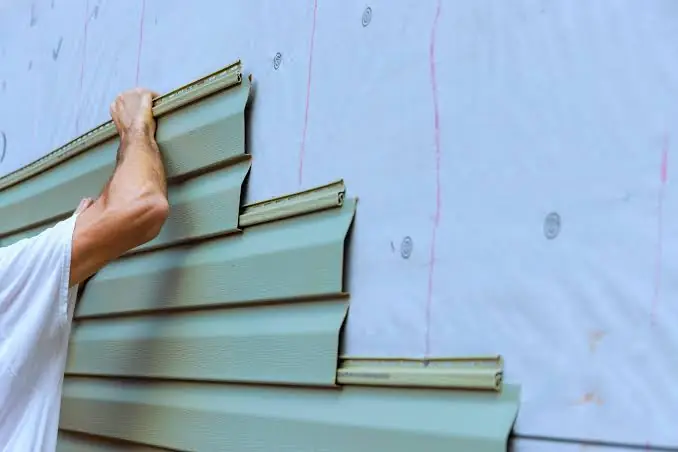
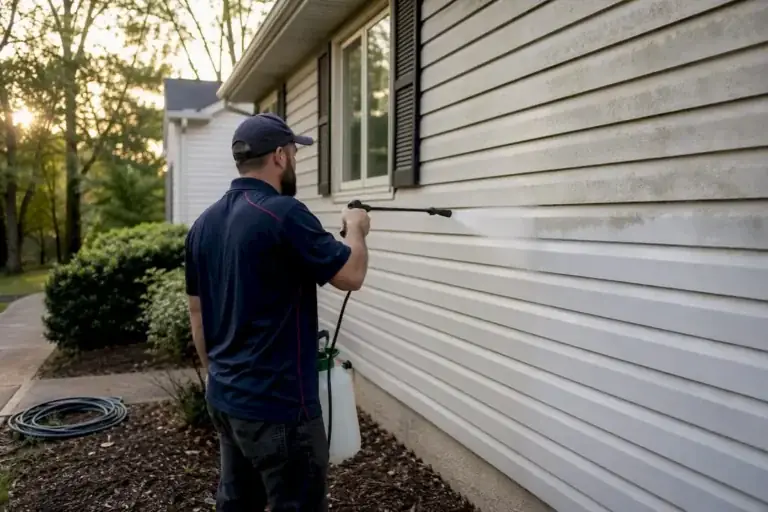
Maintaining exterior residential building envelopes across North America requires understanding material chemistry, surface physics, and structural design. Polyvinyl chloride wall panels serve as engineered rain screens that shield underlying wall framing from environmental elements. Common vinyl siding cleaning mistakes. Over time, atmospheric soot, organic mold spores, pollen, and airborne pollutants accumulate across exterior elevations.
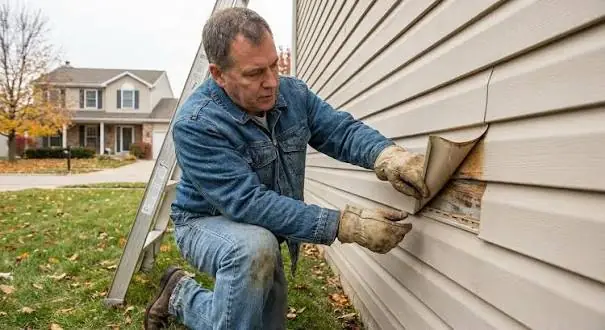
While routine surface washing preserves curb appeal and prevents organic staining, improper maintenance protocols often inflict permanent material damage. Homeowners and maintenance crews frequently employ aggressive cleaning techniques that strip protective outer layers, gouge embossed grain textures, and force wash water past lap joints. What begins as a routine cosmetic wash can easily trigger internal wall rot and accelerated UV degradation.
Preserving exterior cladding assets requires analyzing chemical surfactant behavior, water pressure dynamics, capstock durability, and long-term envelope governance. Building care specialists evaluate cleaning protocols using material science principles rather than relying on quick cosmetic fixes. This reference manual provides an analytical study of polymer surface care, cleaning error categories, real-world failure scenarios, and long-term asset management protocols for residential structures.
Common vinyl siding cleaning mistakes
Analyzing common vinyl siding cleaning mistakes requires evaluating how high-pressure water streams, abrasive chemical mixtures, un-buffered chlorine solutions, and upward spray angles compromise building envelope integrity. Building science specialists evaluate synthetic exterior cladding as a delicate optical, chemical, and structural assembly. A superficial maintenance approach focusing solely on rapid dirt removal overlooks critical interactions between protective capstock layers, weep hole drainage pathways, and underlying weather-resistive barriers.
Polymer Capstock Chemistry and Surface Degradation
Modern synthetic cladding panels feature a co-extruded outer capstock layer composed of Acrylonitrile-Styrene-Acrylate (ASAASA) or acrylic resins. This protective outer layer shields underlying vinyl polymers from chemical breakdown caused by solar ultraviolet radiation. Using abrasive wire brushes, harsh solvent cleaners, or un-buffered bleach solutions erodes this microscopic capstock shield, exposing raw polyvinyl chloride to rapid UV degradation and chalking.
Water Pressure Dynamics and Moisture Intrusion
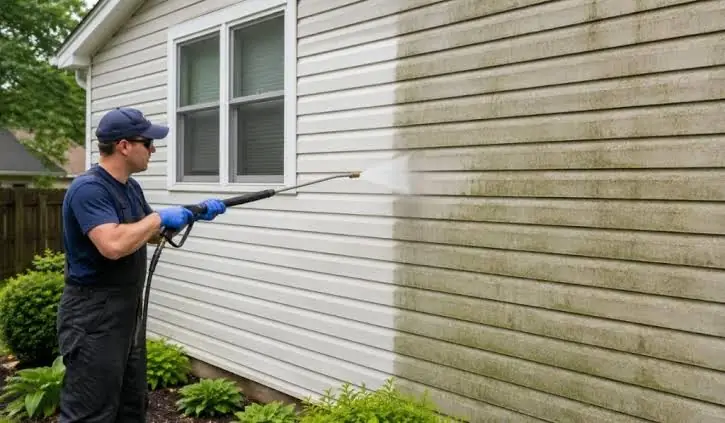
Pressure washers operating above one thousand pounds per square inch generate destructive hydraulic force when directed against flexible polymer panels. High-pressure water jets gouge embossed wood grain textures, create micro-fractures along panel locking seams, and blow past overlapping lap joints. Directing high-pressure water streams upward forces liquid behind siding courses, saturating underlying sheathing and trapping moisture inside wall cavities.
Deep Contextual Background
Exterior residential maintenance practices transformed significantly over past decades as engineered synthetic polymers replaced painted timber clapboards across residential developments. Historical wood siding maintenance relied on aggressive hand scrubbing, wire brushing, and high-pressure washing to strip peeling paint before applying fresh coatings. While painted wood tolerated mechanical scraping, synthetic polymer surfaces require entirely different, chemical-based soft-washing methodologies.
Historical Evolution of Cladding Maintenance Practices
Early synthetic panel maintenance during the mid-twentieth century suffered from a lack of standardized industry care protocols. Property owners accustomed to scrubbing painted wood frequently applied harsh abrasive cleansers and stiff-bristle brushes to plastic panels. High failure rates caused by scratched surfaces, dull gloss levels, and internal wall water damage prompted manufacturers to establish formal technical washing guidelines emphasizing low-pressure chemical cleaning.
Contemporary Building Care Regulations
Modern property management standards mandate strict adherence to manufacturer washing recommendations and environmental chemical disposal guidelines. Contemporary guidelines enforce low-pressure soft-wash techniques utilizing specialized biodegradable surfactants and sodium hypochlorite solutions. Modern maintenance management incorporates regulated chemical runoff collection, calibrated pressure regulators, and standardized surface inspection logs into routine estate upkeep workflows.
Conceptual Frameworks and Mental Models
Evaluating exterior building maintenance demands structured analytical models that synthesize chemical cleaning action, hydraulic fluid dynamics, and surface material properties into clear operational guidelines.
The Low-Pressure Soft-Wash Chemical Surfactant Model
This model replaces destructive mechanical force with calibrated chemical reaction time. Biodegradable surfactants and diluted sodium hypochlorite solutions break organic mold bonds and loosen airborne soot at low pressures below three hundred pounds per square inch. Allowing specialized surfactants to dwell on panel faces cleans surfaces thoroughly without threatening capstock integrity or forcing water behind panels.
The Downward Drainage Shingle-Lap Principle
All wash water application and rinse cycles must follow a downward angle that mirrors natural rainfall patterns. Rinsing wall courses from top to bottom at a downward angle ensures water cascades smoothly over overlapping panel edges. Reversing this spray angle forces wash solutions up into receiving channels, bypassing internal drainage planes and saturating interior wall assemblies.
The Pressure-Equalized Weep Hole Drainage Concept
Synthetic cladding assemblies incorporate factory-punched weep holes along bottom panel edges to drain incidental moisture freely. Applying heavy caulking, expanding foam, or thick paints over lower panel margins blocks these vital drainage pathways. Maintaining clear weep holes allows trapped wash water and condensation to escape naturally, preventing sill plate framing rot.
Key Categories or Variations
Categorizing cleaning errors enables facility managers to diagnose surface defects accurately and implement targeted field remediation strategies.
High-Pressure Hydraulic Surface Abrasion
Operating pressure washing equipment above recommended pressure limits strips protective acrylic capstocks and gouges embossed wood textures. Damaged surfaces lose their matte finish, developing rough microscopic grooves that trap environmental dirt faster.
Upward Spray Water Intrusion
Directing pressure nozzles upward underneath panel laps forces water past interlocked seams into structural wall cavities. Trapped water saturates paper-faced sheathing, rots timber framing studs, and fosters toxic mold growth behind exterior walls.
Harsh Chemical Capstock Etching
Applying un-diluted sodium hypochlorite, strong acid washes, or petroleum-based solvents chemical-burns protective polymer capstocks. Chemical etching leaves permanent white streak stains, accelerates surface chalking, and destroys gloss uniformity across wall faces.
Abrasive Mechanical Scrubbing
Using wire brushes, abrasive scouring pads, or stiff rotary brushes scratches flexible vinyl panel faces. Scratched panel surfaces lose their protective surface gloss, creating permanent dull patches that cannot be restored through washing.
Bleach Runoff Vegetation Destruction
Failing to pre-wet surrounding landscaping or failing to rinse plants post-wash allows concentrated chemical runoff to burn vegetation. Strong bleach runoff kills garden plants, discolors stone walkways, and contaminates surrounding topsoil.
Surface Cleaning Error Taxonomy
Operational Remediation Logic
Diagnosing cleaning defects requires matching visual symptoms with underlying maintenance errors. Dull, gouged panel faces experiencing rapid dirt re-accumulation indicate high-pressure hydraulic abrasion requiring vinyl-safe restoration coatings. Persistent interior wall dampness following an exterior wash signals upward spray water intrusion that demands opening wall sections to inspect sheathing dryness.
Detailed Real-World Scenarios Common vinyl siding cleaning mistakes
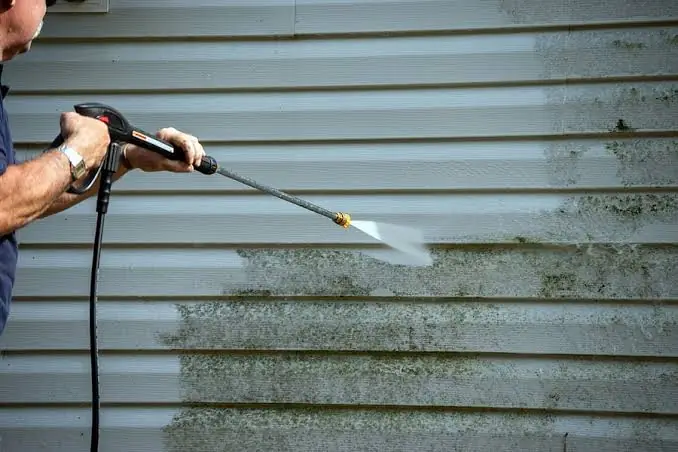
Analyzing practical property maintenance projects demonstrates how technical cleaning errors occur, how failure modes compound, and how field remediation restores envelope integrity.
High-Pressure Capstock Abrasion Remediation
A residential home in Pennsylvania developed unsightly dull streaks across its west elevation following high-pressure washing by an untrained contractor. Inspection revealed the operator used a zero-degree pressure nozzle at two thousand pounds per square inch, gouging the acrylic capstock. Technicians applied a specialized, UV-stabilized vinyl restoration coating to seal micro-grooves and restore uniform surface gloss.
Coastal Upward Spray Water Intrusion
A beachfront villa in South Carolina suffered interior drywall water staining following an aggressive exterior house wash. Technicians discovered wash crews sprayed high-pressure water upward under lap seams, bypassing house wrap flashings. Restoration teams opened affected interior wall cavity sections, installed industrial dehumidifiers to dry wet sheathing, and treated framing studs with antimicrobial spray.
Concentrated Bleach Chemical Etching
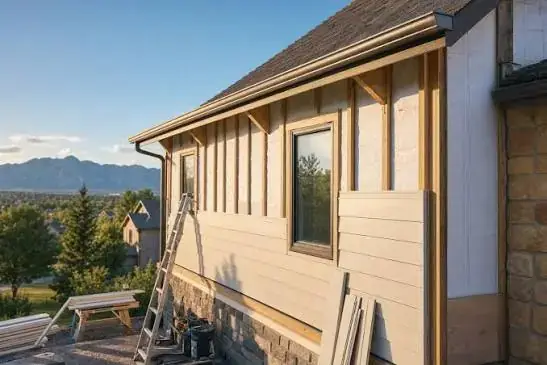
An estate home in Georgia developed chalky white streaks across dark brown polymer shake gables after an improper soft-wash application. The wash crew applied an un-buffered twelve percent sodium hypochlorite solution during direct mid-day sunlight, baking the chemical into the capstock. Field crews replaced damaged gable shake modules, as chemical etching had permanently destroyed the capstock pigment matrix.
Blocked Weep Hole Moisture Remediation
A suburban home in Ohio experienced rotted rim joists along its front elevation following repeated exterior washes. An owner had caulked bottom starter strip weep holes to prevent insect entry, trapping wash water inside wall cavities. Remediation crews stripped caulking, cleared weep pathways, and replaced rotted rim joist framing to restore gravity drainage.
Planning, Cost, and Resource Dynamics
Financial management for exterior wall maintenance extends beyond basic cleaning chemical purchasing. Comprehensive budgeting accounts for trade labor skills, diagnostic site audits, landscaping protection, and long-term asset value preservation.
Maintenance and Remediation Capital Allocation
Direct expenses include specialized soft-wash surfactants, diluted sodium hypochlorite solutions, neutralizer rinses, protective plant covers, low-pressure wash equipment, and replacement panels. Indirect costs cover environmental runoff permits, architectural plan reviews, dumpster haulage, scaffolding rentals, and quality assurance auditing.
Opportunity Cost and Life Cycle Valuation
Skipping professional soft-wash protocols to lower immediate maintenance expenses often leads to severe capstock damage and structural framing rot. Investing in trained soft-wash professionals increases initial service outlays slightly, but yields massive long-term savings by eliminating premature panel replacements and interior water damage repairs.
Maintenance Expenditure Matrix
Tools, Strategies, and Support Systems
Executing precise exterior building envelope maintenance requires specialized trade tooling, digital diagnostic equipment, and structured quality control frameworks.
Envelope Cleaning and Diagnostic Equipment
Technicians rely on low-pressure soft-wash pumps, calibrated pressure regulators, 40-degree wide-fan spray nozzles, telescoping wash poles, digital moisture meters, and handheld spectrophotometers. Spectrophotometers measure surface gloss levels pre- and post-wash, verifying that capstock finishes remain undamaged.
Calibrated Soft-Wash Application Systems
Dedicated soft-wash pumps deliver chemical cleaning solutions at broad, gentle spray patterns below one hundred pounds per square inch. Utilizing low-pressure application systems allows surfactants to saturate organic growth evenly without forcing liquid past panel lap seams.
Documented Control Registers
Project managers use standardized quality control registers to record pre-wash surface gloss readings, chemical dilution ratios, plant protection steps, and post-wash moisture inspections. Documenting these checks maintains manufacturer surface warranty validity over multi-decade operational cycles.
Risk Landscape and Failure Modes Common vinyl siding cleaning mistakes
Deviating from established building care standards introduces severe structural and visual risks. Identifying potential failure pathways enables quality control teams to protect building envelope integrity during maintenance.
Compounding Building Envelope Hazards
Stripping acrylic capstocks through high-pressure washing exposes raw vinyl resins to direct solar UV radiation. Unprotected vinyl degrades rapidly, developing heavy chalking, surface micro-cracks, and brittle panel faces that crack under minor hail impacts.
Internal Wall Moisture Saturation
Forcing wash water past panel lap joints saturates interior wood sheathing and wall insulation. Wet fiberglass insulation loses its thermal resistance value, raising heating costs while fostering toxic black mold growth behind drywall.
Un-Buffered Chemical Etching Hazards
Applying concentrated chemical solutions under direct solar heat causes rapid chemical evaporation, baking caustic residues into vinyl resins. Chemical burning creates permanent discoloration bands that require complete panel course replacement.
Governance, Maintenance, and Long-Term Adaptation
Preserving building envelope performance requires systematic maintenance routines and scheduled inspection protocols. Establishing clear operational management plans extends cladding service life.
Routine Envelope Wash Surveillance Protocols
Facility managers should conduct visual exterior inspections annually and inspect surfaces post-wash. Inspectors evaluate surface chalking film, gloss retention, sealant joint flexibility, and weep hole clearance across all elevations.
Remediation Trigger Thresholds
Immediate cleaning is triggered if organic algae covers five percent of an elevation or if chalking leaves visible powder residue. Gentle low-pressure washing preserves capstock integrity and restores original matte appearance.
Long-Term Operational Maintenance Checklist
-
Inspect south and west wall elevations for surface chalking film.
-
Pre-wet all surrounding foliage with fresh water prior to chemical application.
-
Apply soft-wash cleaning solutions at pressures strictly below 300 PSI.
-
Rinse wall surfaces thoroughly using downward spray angles only.
-
Verify that bottom starter strip weep holes remain free of dirt and debris.
Measurement, Tracking, and Evaluation
Evaluating the success of an exterior building maintenance program involves tracking surface gloss retention, chemical application logs, and long-term property value records.
Quality Control Maintenance Indicators
Leading performance indicators include contractor compliance with low-pressure washing standards, verified chemical dilution ratios below ten percent, and post-wash moisture readings confirming dry sheathing.
Lagging Financial and Performance Signals
Lagging metrics track long-term project success, including preserved capstock gloss coordinates, zero internal water intrusion incidents, and extended building envelope lifecycles over ten-year monitoring intervals.
Quality Assurance Maintenance Records
-
Chemical Dilution Specification Log: Signed approval forms confirming surfactant mix ratios and chemical safety data sheets.
-
Surface Gloss Audit Register: Spectrophotometer measurement logs confirming zero capstock gloss loss post-wash.
-
Post-Wash Moisture Inspection Log: Electronic moisture meter readings confirming dry wall cavities post-washing.
Common Misconceptions and Oversimplifications Common vinyl siding cleaning mistakes
Persistent myths regarding synthetic cladding care often lead property owners and maintenance crews to make improper washing choices.
Correcting Cladding Maintenance Myths
-
High Pressure Is Necessary to Clean Vinyl Siding: High pressure damages capstocks and forces water behind panels; gentle chemical soft-washing cleans far more effectively without risk.
-
Bleach Harms Vinyl Siding Instantly: Diluted sodium hypochlorite solutions (under 1%) mixed with surfactants clean mold safely when applied at low pressure and rinsed thoroughly.
-
Scrubbing with Wire Brushes Removes Tough Stains: Wire brushes gouge acrylic capstocks permanently; specialized chemical spot treatments dissolve stubborn stains without mechanical abrasion.
-
Vinyl Siding Is Completely Waterproof During Washing: Vinyl siding acts as a rain screen; high-pressure or upward spraying easily forces water past interlocked panel seams.
-
All Exterior Washing Contractors Follow Safe Protocols: Quality varies widely among wash crews; verifying low-pressure equipment usage and chemical dilution standards is essential.
Ethical, Practical, and Contextual Considerations
Responsible facility management balances immediate cosmetic goals with environmental protection, job-site safety, and neighborhood property preservation. Chemical runoff generated during soft-washing should be collected or neutralized before entering storm drains. Partnering with contractors who utilize biodegradable surfactants and enforce strict plant protection protocols reduces local environmental impacts. Furthermore, preserving clean exterior elevations supports neighborhood visual harmony and maintains regional property values over time.
Conclusion
Successfully maintaining exterior building envelopes requires a complete understanding of polymer capstock chemistry, soft-wash application mechanics, hydraulic pressure dynamics, and building science principles. By evaluating maintenance quality through structured operational frameworks, property managers achieve maximum surface cleanliness without compromising structural integrity or weather tightness. Standardizing pre-wash site preparation, enforcing low-pressure spray limits, maintaining downward rinse angles, and protecting surrounding vegetation preserve capital investments. Investing in trained soft-wash professionals, disciplined contractor oversight, and proactive asset governance delivers resilient exterior wall protection, uniform surface gloss, and lasting property value across changing environmental conditions.