How to manage vinyl siding loose panels assessing envelope security and panel repairs
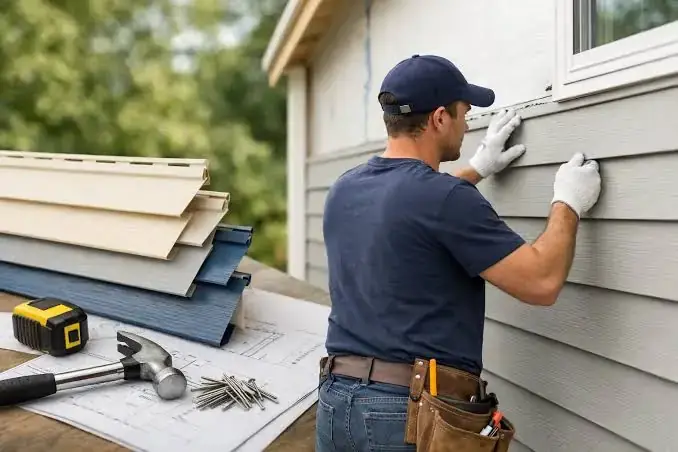
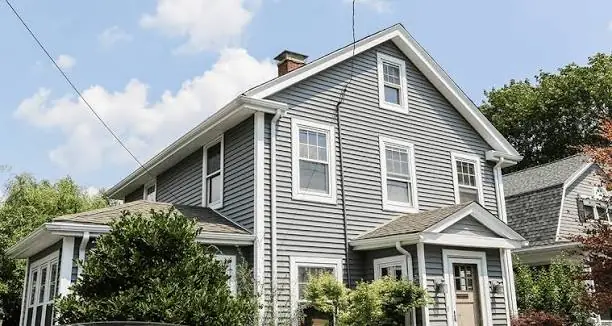
Architectural building envelope security across North American residential properties depends on maintaining mechanical integrity across every exterior wall component. Synthetic polymer cladding functions as a primary rain screen, defending underlying structural framing from wind-driven moisture, thermal fluctuations, and solar radiation. How to manage vinyl siding loose panels. When individual panels disengage from locking tracks or pull away from mounting substrates, the overall protective capability of the exterior wall assembly becomes instantly compromised.
Loose exterior wall panels represent far more than a minor visual nuisance across residential elevations. Unanchored panel courses invite localized atmospheric water intrusion, accelerate wind uplift forces during convective storm cycles, and expose underlying weather-resistive barriers to direct solar ultraviolet degradation. Addressing loose wall sections promptly prevents localized mechanical disengagements from escalating into widespread cladding failure across entire building faces.
Preserving exterior wall assets demands systematic diagnostic protocols, proper trade tooling, and rigorous quality control standards. Building science specialists evaluate loose panel remediation through mechanical lock integrity, thermal movement allowance, and substrate withdrawal resistance principles. This analytical reference manual provides a comprehensive study of polymer panel mechanics, disengagement categories, real-world failure scenarios, and long-term asset governance protocols for residential structures.
How to manage vinyl siding loose panels
Learning how to manage vinyl siding loose panels requires analyzing how locking hem geometries, fastener placement depth, substrate nail-retention capacity, and thermal expansion gaps interact across wall elevations. Building science specialists evaluate loose cladding issues as systemic mechanical failures rather than isolated cosmetic anomalies. A superficial attempt to secure loose sections by driving surface nails through panel faces or filling locking channels with caulking overlooks critical interactions between linear thermal movement, wind suction pressures, and gravity drainage planes.
Polymer Panel Locking Physics and Structural Mechanics
Synthetic polymer cladding assemblies rely on continuous horizontal interlocks to establish a flexible, weather-tight rain screen. Each horizontal panel course incorporates a bottom projection hook that snaps into the top receiving channel of the course installed directly below it. When panels disengage, the continuous mechanical connection breaks, leaving the lower panel course unsupported and vulnerable to wind uplift.
Thermal Expansion and Fastener Alignment
Panels must be suspended loosely from mounting substrates using factory-punched mounting slots rather than pinned tightly against sheathing. Fasteners should be centered within mounting slots to allow uninhibited horizontal movement as outdoor temperatures change. Fasteners driven off-center or driven flush against nail hems create mechanical friction, causing panels to buckle and pop out of their locking channels during extreme summer heating cycles.
Deep Contextual Background
Exterior building envelope execution transformed significantly over past decades as engineered synthetic polymers replaced traditional timber clapboards across residential developments. Historical wood siding installations relied on direct face-nailing through solid wood boards into framing studs. While face-nailed timber provided rigid structural mounting, un-planned wood assemblies suffered from hidden moisture decay, requiring constant repainting and structural board replacements.
Evolution of Cladding Attachment Systems
Early synthetic panel installations during the mid-twentieth century encountered high disengagement rates due to shallow locking hem profiles and inconsistent trade application practices. Installers accustomed to rigid wood siding frequently over-tightened mounting nails or failed to snap locking channels together completely. High failure rates caused by wind uplift and thermal distortion prompted industry organizations to establish formal technical standards, deeper locking channels, and specialized zip-tool extraction devices.
Contemporary Building Code Regulations
Modern building codes mandate strict compliance with manufacturer application specifications and tested wind-resistance practices. Regulations enforce specific fastener shank dimensions, minimum substrate penetration depths, and precise receiving channel clearances along perimeter trims. Professional building managers integrate digital moisture meters, specialized zip-tool re-engagement devices, and documented quality control registers into routine property maintenance workflows.
Conceptual Frameworks and Mental Models
Evaluating loose exterior wall panels requires structured analytical models that synthesize mechanical lock physics, weatherproofing rules, and thermal movement principles into clear operational guidelines.
The Continuous Mechanical Interlock Model
This model treats every cladding course as a continuous horizontal chain supported by lower locking tracks and suspended by centered fasteners. The mechanical lock must remain fully engaged across the entire panel length to resist negative wind suction forces. Disrupting the continuous lock seam creates localized stress points that force adjacent panels to disengage during windstorms.
The Thermal Slide Clearance Principle
Synthetic cladding panels must expand and contract freely inside receiving channels without encountering rigid physical obstructions. Leaving a precise one-sixteenth-inch gap beneath fastener heads ensures panels slide smoothly horizontally during daily solar heating cycles. Preserving free panel movement prevents stress concentrations that force locking seams to pop open under thermal pressure.
The Perimeter Load Transmission Framework
Wind uplift forces acting on building elevations concentrate heavily within three feet of outside corners and roof eaves. This framework mandates applying tighter fastener spacing intervals and deeper trim receiving channels along perimeter wall zones. Applying proper fastener spacing in high-pressure perimeter zones prevents wind suction from initiating panel edge disengagements.
Key Categories or Variations
Categorizing panel disengagement modes enables project managers to diagnose structural defects accurately and implement targeted field remediation strategies.
Thermal Lock Disengagement
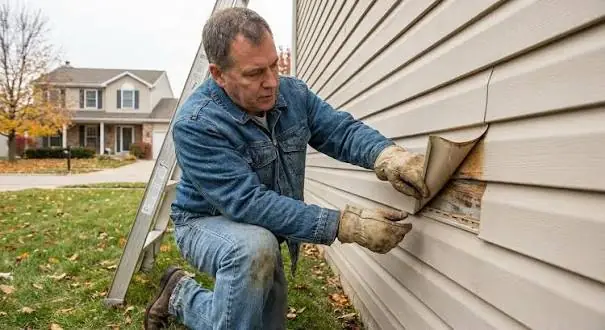
Solar heat expands restricted panels, generating internal mechanical stress that forces vinyl faces outward until bottom hooks disengage from lower locking tracks. Disengaged panels flap loosely during light wind gusts, exposing underlying house wrap.
Fastener Pull-Through Failure
High wind suction forces pull panel mounting hems directly over small-headed fasteners or through rotted OSB sheathing. Panel tops fall forward away from the wall, leaving upper courses hanging dangerously without structural support.
Un-Snapped Base Course Disengagement
Installers fail to snap the bottom panel hook completely into the starter strip along foundation sills. The un-anchored lower margin lifts during rainstorms, allowing water to splash behind the bottom cladding course.
Trim Channel Binding Disengagement
Cutting panels too long causes panel ends to jam tightly against the inside stops of J-channels and corner posts. Expanding panels have nowhere to move, buckling outward at their centers and popping locking seams open.
Fastener Over-Tightening Lockout
Driving mounting nails flush against vinyl hems pins panels rigidly to sheathing, stopping horizontal thermal expansion. Locked panels warp diagonally, causing locking seams to unhook under direct sun exposure.
Panel Disengagement Taxonomy
| Disengagement Category | Primary Cause | Structural Impact | Visual Symptom | Primary Remediation Action |
| Thermal Lock Disengagement | Thermal expansion restriction | Exposed weather barrier | Wavy, flapping panel courses | Re-center fasteners & zip lock closed |
| Fastener Pull-Through | Small nail heads or rotted OSB | Loss of top wall support | Panel hanging forward from top | Install wide-head nails in new sheathing |
| Un-Snapped Base Course | Improper starter strip snap | Water entry at foundation | Loose bottom panel margin | Engage starter lock with zip tool |
| Trim Channel Binding | Zero expansion clearance gap | Mid-panel outward bowing | Buckled center with popped seams | Trim panel ends by 3/8 inch |
| Fastener Over-Tightening | Flush nail head driving | Thermal movement lockup | Diagonal panel surface distortion | Back off nails to 1/16 in clearance |
Operational Remediation Logic
Diagnosing loose panel defects requires matching visual symptoms with underlying mechanical errors. Wavy, flapping wall courses experiencing direct sun exposure indicate thermal expansion restriction or tight trim clearances that require resetting fasteners and trimming panel ends. Panels hanging forward away from the wall signal fastener pull-through errors that demand installing wider-headed fasteners into sound structural sheathing.
Detailed Real-World Scenarios How to manage vinyl siding loose panels
Analyzing practical construction projects demonstrates how loose panel errors occur, how failure modes compound, and how field remediation restores envelope integrity.
High-Wind Corner Elevation Lock Disengagement
A residential property in Coastal North Carolina experienced severe panel disengagement along its upper south-outside corner following a convective thunderstorm. Diagnostic inspection revealed installers used standard sixteen-inch fastener spacing near corner trim and failed to engage the top locking seam completely. Technicians unhooked affected courses using a zip tool, installed additional ring-shank fasteners eight inches on center into solid plywood, and snapped locking seams together securely.
High-Sun Elevation Thermal Lockup
A residential building in Arizona developed loose, wavy panel courses across south-facing elevations six months post-installation. Inspection showed installers had nailed panels flush against sheathing using a standard framing nailer. Summer solar heat expanded the locked panels, forcing bottom hooks out of receiving tracks; field crews backed off flush nails to leave a one-sixteenth-inch gap, restoring free panel sliding and securing lock seams.
Un-Snapped Starter Strip Base Remediation
A suburban home in Ohio experienced damp rim joists along its front elevation after winter snow melted along foundation walls. The original installation crew had failed to snap the bottom panel course into the metal starter strip. Remediation technicians used a siding zip tool to pull the bottom hook down, snapping it firmly into the starter strip track to restore gravity water shedding.
Trim Channel Binding Remediation
A two-story home in Michigan developed outward-bowed wall courses during hot July afternoons. Technicians discovered panel ends were cut tight against corner post stops without leaving cold-weather expansion gaps during a winter installation. Crews removed corner trim covers, trimmed panel ends by three-eighths inch, and re-engaged locking tracks to restore flat wall courses.
Planning, Cost, and Resource Dynamics
Financial management for exterior wall panel remediation extends beyond purchasing specialized hand tools. Comprehensive project budgeting accounts for trade labor skill levels, diagnostic site audits, replacement panel sourcing, and long-term asset protection.
Panel Security Capital Expenditure Breakdown
Direct expenses include specialized siding zip tools, wide-head roofing fasteners, replacement panel courses, J-channel trims, starter strips, and stainless steel ring-shank nails. Indirect costs cover municipal permit fees, architectural plan reviews, dumpster haulage, scaffolding staging, and quality assurance auditing.
Opportunity Cost and Life Cycle Valuation
Ignoring loose wall panels to avoid minor repair expenses often leads to severe structural water damage, wind-driven panel loss, and costly wall tear-offs. Investing in prompt professional zip-tool re-engagement increases minor maintenance outlays slightly, but yields massive long-term savings by preserving structural sheathing and avoiding full-envelope replacement costs.
Panel Security Expenditure Matrix
| Expenditure Category | Minor Zip Re-Lock Tier | Mid-Range Fastener Reset Tier | Structural Elevation Repair Tier |
| Material Cost (per sq ft) | $0.50 – $1.50 | $3.00 – $6.00 | $8.00 – $15.00+ |
| Labor Charge (per sq ft) | $1.50 – $3.50 | $4.50 – $8.00 | $9.00 – $16.00+ |
| Diagnostic & Staging | $50 – $100 flat | $150 – $400 flat | $500 – $1,500+ flat |
| Permitting & Inspection | $0 flat | $100 – $300 flat | $400 – $1,200+ flat |
Tools, Strategies, and Support Systems
Executing precise exterior building envelope repairs requires specialized trade tooling, digital measurement equipment, and structured quality control frameworks.
Diagnostic and Re-Locking Tooling
Technicians rely on vinyl siding removal zip tools, snap-lock punches, pneumatic siding nailers with depth-of-drive adjusters, digital moisture meters, and laser alignment levels. Siding zip tools feature a curved metal blade that slides inside locking seams, pulling bottom panel hooks down to re-engage tracks without tearing vinyl.
Specialized Fasteners and Depth Controls
Equipping pneumatic siding nailers with depth-of-drive adjusters ensures fasteners are driven consistently without clamping panel hems tightly against sheathing. Utilizing hot-dipped galvanized or stainless steel ring-shank nails provides superior withdrawal resistance against wind uplift forces.
Documented Control Registers
Project managers use standardized quality control registers to record sheathing moisture readings, fastener clearance gaps, lock seam engagement checks, and horizontal slide test results. Documenting these checks verifies compliance with manufacturer warranty specifications.
Risk Landscape and Failure Modes How to manage vinyl siding loose panels
Deviating from established building science repair standards introduces severe structural risks. Identifying potential failure pathways enables quality control teams to protect building envelope integrity during remediation.
Compounding Structural Disengagement Hazards
Failing to re-engage loose panel locks allows wind currents to enter behind cladding courses during convective storms. Wind pressure builds rapidly behind loose panels, creating internal uplift forces that tear adjacent wall courses off structural sheathing.
Surface Face-Nailing Failure Modes
Attempting to secure loose panels by driving nails directly through panel faces pins synthetic cladding tightly against sheathing. Locked panels cannot slide horizontally during solar heating, causing severe surface warping, torn vinyl around nail heads, and water leakage.
Caulked Lock Seam Failures
Filling loose locking channels with exterior caulking or construction adhesive destroys the flexible interlock system. Hardened caulk prevents thermal movement, snaps vinyl locking hooks under summer heat, and creates un-repairable panel damage.
Governance, Maintenance, and Long-Term Adaptation
Preserving building envelope performance requires systematic maintenance routines and scheduled inspection protocols. Establishing clear operational management plans extends cladding service life.
Routine Panel Alignment Surveillance Protocols
Facility managers should conduct visual exterior inspections annually and inspect wall surfaces post-windstorm. Inspectors evaluate panel course alignment, check lock seam engagement, test horizontal panel sliding movement, and verify weep hole clearance across all elevations.
Remediation Trigger Thresholds
Immediate corrective action is triggered if panels disengage from locking tracks, if receiving trim unseats, or if panels flap during light wind gusts. Unhooking affected courses using a zip tool and resetting loose fasteners restores envelope stability.
Long-Term Operational Panel Checklist
-
Perform a zip-tool inspection on loose courses to verify free fastener movement.
-
Ensure panel ends maintain clear expansion space inside all J-channels.
-
Verify that bottom starter strip weep holes remain free of dirt and debris.
-
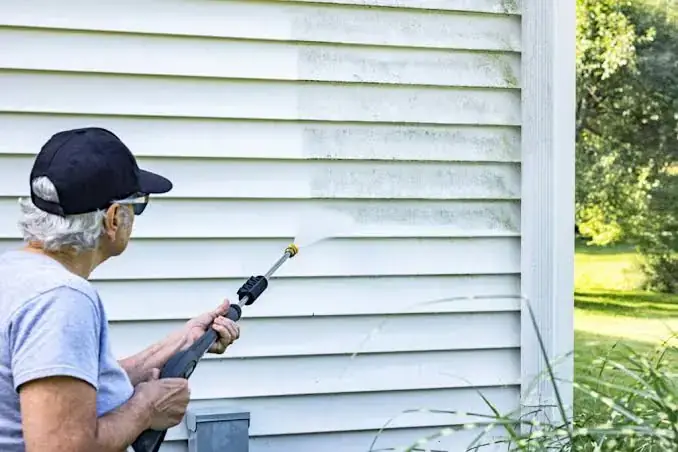
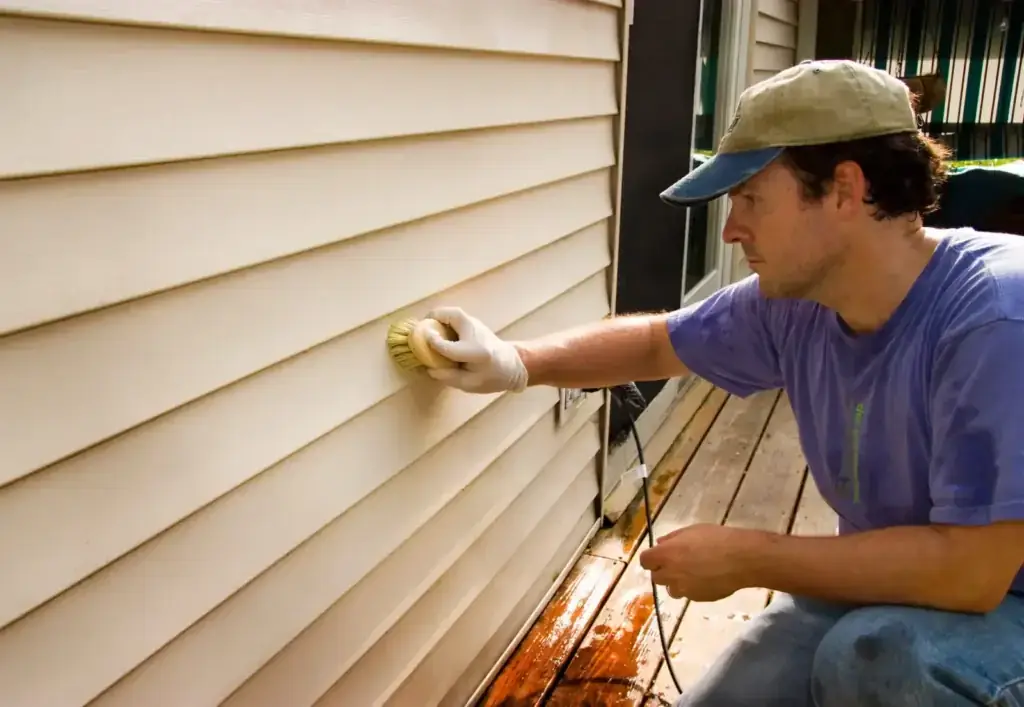
Wash exterior wall surfaces annually using low-pressure water equipment.
-
Inspect corner posts and receiving channels for loose mounting fasteners.
Measurement, Tracking, and Evaluation How to manage vinyl siding loose panels
Evaluating the success of an exterior building maintenance program involves tracking mechanical fastening metrics, thermal stability, and long-term envelope performance records.
Quality Control Remediation Metrics
Leading performance indicators include contractor compliance with thermal clearance specifications, verified sheathing moisture readings below fourteen percent, and successful horizontal panel slide tests. Slide testing involves moving repaired panels laterally by hand to confirm uninhibited sliding.
Lagging Financial and Performance Signals
Lagging metrics track long-term project success, including zero panel detachment incidents during windstorms, stable thermal insulation performance, and preserved structural framing integrity over ten-year monitoring intervals.
Quality Assurance Maintenance Records
-
Lock Seam Audit Register: Visual inspection logs confirming 100% mechanical lock engagement across all elevations post-repair.
-
Substrate Moisture Register: Electronic moisture meter readings confirming dry sheathing pre- and post-repair.
-
Thermal Fastening QA Log: Signed verification forms documenting fastener clearance gaps, slot centering checks, and slide test results.
Common Misconceptions and Oversimplifications
Persistent myths regarding synthetic cladding mechanics often lead property owners and maintenance crews to make improper repair choices.
Correcting Loose Panel Myths
-
Face-Nailing Loose Panels Secures Them Permanently: Face-nailing pins panels rigidly, preventing thermal movement and causing severe bowing and torn vinyl under solar heat.
-
Caulking Loose Lock Seams Restores Structural Support: Caulk prevents thermal expansion and breaks under panel movement; re-engaging lock tracks with a zip tool is the only lasting fix.
-
Loose Panels Only Affect House Appearance: Loose panels allow wind-driven rain to reach sheathing and increase wind uplift risks significantly during severe storms.
-
Vinyl Panels Snap Together Automatically Without Inspection: Installers must verify complete lock engagement along the entire panel length; partial snaps disengage under wind pressure.
-
Any Contractor Can Fix Loose Vinyl Siding Quickly: Quality varies widely among trade crews; verifying proper zip-tool usage, fastener depth clearances, and slot centering is essential.
Ethical, Practical, and Contextual Considerations
Responsible facility management balances immediate repair needs with environmental sustainability, job-site safety, and neighborhood aesthetics. Vinyl scrap generated during repair work should be collected and transferred to industrial recycling facilities. Partnering with contractors who participate in scrap recycling programs reduces landfill burdens. Furthermore, preserving straight shadow lines and properly aligned exterior wall courses supports neighborhood architectural harmony and maintains regional property values over time.
Conclusion
Successfully managing loose exterior wall panels requires a complete understanding of polymer material physics, trade labor logistics, lock seam mechanics, and building science principles. By evaluating repair quality through structured operational frameworks, property managers achieve maximum envelope durability without compromising structural integrity or weather tightness. Standardizing diagnostic preparation, enforcing low-pressure zip-tool re-engagement, maintaining secondary moisture barriers, and enforcing thermal movement tolerances protect capital investments. Investing in trained repair specialists, disciplined contractor oversight, and proactive asset governance delivers resilient exterior wall protection, straight shadow lines, and lasting property value across changing market conditions.